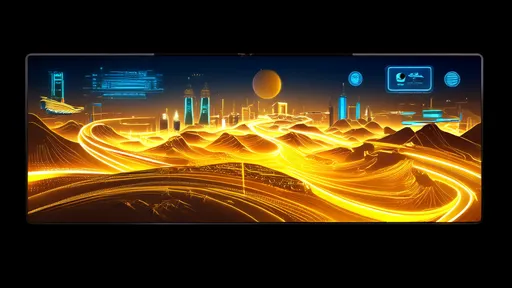
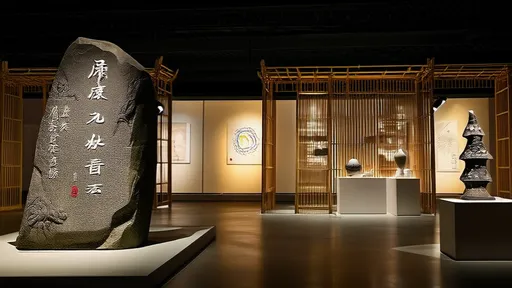
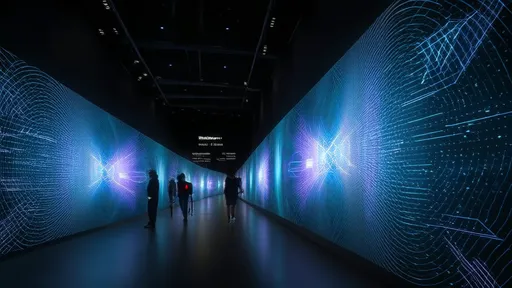
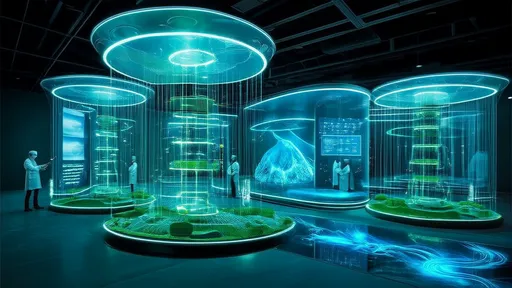
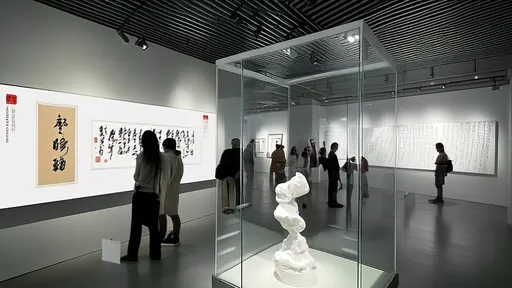
In the dimly lit exhibition hall of the National Art Museum, a remarkable transformation is taking place. Ancient Chinese landscapes, once confined to silk scrolls and ink wash paintings, now breathe with digital life. Mist swirls around animated mountain peaks, waterfalls cascade in real-time, and digital birds take flight from thousand-year-old branches. This is not science fiction but the cutting edge of cultural preservation, where three-dimensional modeling and dynamic projection technologies are resurrecting traditions that once seemed destined for museum archives.
The marriage between traditional culture and modern technology represents one of the most fascinating developments in contemporary art preservation. For decades, cultural institutions struggled with a fundamental dilemma: how to make static historical artifacts engaging for generations raised on digital media. The answer, emerging from research laboratories and artist studios worldwide, combines the precision of 3D scanning with the immersive power of projection mapping. What began as experimental installations has evolved into a sophisticated discipline that bridges centuries while speaking in the visual language of tomorrow.
Beijing's Palace Museum, home to China's imperial treasures, has become an unexpected pioneer in this digital renaissance. Walking through their specially designed digital exhibition spaces, visitors encounter something extraordinary. A static Ming Dynasty vase, when approached, suddenly blossoms with animated peonies that twist and unfold across its surface. The intricate blue-and-white patterns begin to tell stories - birds take flight from branches, fish swim through painted waterways, and seasonal flowers bloom in accelerated time. This isn't merely decoration; it's a conversation between the artifact and viewer mediated through invisible sensors and carefully crafted digital overlays.
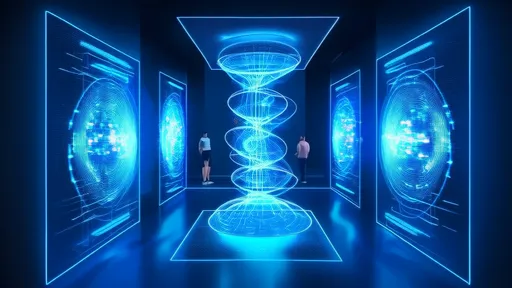
The technological underpinnings of these experiences are as complex as they are invisible. High-resolution 3D scanners first capture every nuance of cultural artifacts, from the crackled glaze of ancient pottery to the delicate brushstrokes of calligraphy. This digital twin then becomes the canvas for projection artists who must understand both the technical requirements of their medium and the cultural significance of their subject. The projection mapping process involves precisely aligning digital content with physical surfaces, often requiring custom software solutions to account for irregular shapes and textures that would distort standard projections.
Professor Li Wei, who leads the Digital Heritage Laboratory at Tsinghua University, explains the delicate balance required. "We are not creating replacements for original artifacts," he emphasizes during a laboratory tour. "Rather, we're developing complementary experiences that help contemporary audiences understand why these objects mattered to their creators. When we project the process of creating bronze vessels onto actual Shang Dynasty artifacts, viewers don't just see the finished product - they witness the lost-wax casting technique, they understand the ritual significance, they feel the human connection across millennia."
The applications extend far beyond museum walls. In Dunhuang, where centuries-old Buddhist cave paintings face irreversible deterioration from exposure and climate change, teams of technicians and art historians have undertaken one of the most ambitious digital preservation projects ever attempted. Using specialized equipment that minimizes light exposure, they've created perfect digital replicas of caves that may soon be closed to public access. These virtual caves can be explored through VR headsets or projected life-size in exhibition spaces worldwide, complete with animated explanations of artistic techniques and religious symbolism that would be impossible to convey through traditional signage.
What makes these technological interventions particularly powerful is their ability to restore context to displaced artifacts. The Summer Palace's Marble Boat, for instance, now hosts evening projections that recreate the imperial gardens as they appeared during the Qing Dynasty. The still waters around the structure come alive with floating lotus lanterns and reflected palace lights, while projected figures in historical costumes move through spaces now empty. This temporal layering allows visitors to understand not just what remains, but what has been lost - creating a more profound historical consciousness than any textbook description could achieve.
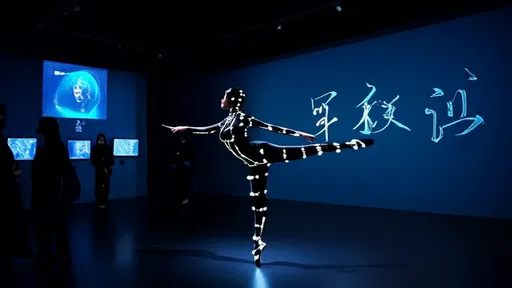
The performing arts have undergone equally dramatic transformations. Kunqu opera, recognized by UNESCO as an intangible cultural heritage, faced declining audiences despite its artistic significance. Traditional performances, with their subtle gestures and symbolic movements, often failed to connect with viewers unfamiliar with the form's conventions. The solution emerged from an unexpected collaboration between veteran performers and media artists. Now, dynamic projections translate the emotional subtext of scenes - jealousy becomes swirling crimson patterns, longing manifests as stretching shadows, and spiritual epiphany transforms the entire stage into a blooming lotus pond.
These technological interventions raise important questions about authenticity and interpretation. Cultural purists initially expressed concern that digital enhancements might overshadow the original artworks or misrepresent their creators' intentions. However, the artists and historians driving these projects argue that culture has always evolved through technological adoption. The invention of oil paints, the development of perspective drawing, the introduction of photography - each was initially met with skepticism before being absorbed into artistic practice. The digital layer, they contend, represents simply the latest tool in this continuous evolution.
The economic implications cannot be overlooked. Cultural tourism represents a significant revenue stream for many historical sites, but overcrowding threatens both the visitor experience and artifact preservation. The Mogao Caves have implemented a dual approach: visitors experience some actual caves while spending most of their time in digitally replicated spaces that offer enhanced educational content. This not only reduces physical strain on fragile ecosystems but creates new revenue opportunities through traveling digital exhibitions that can visit multiple cities without moving a single artifact.
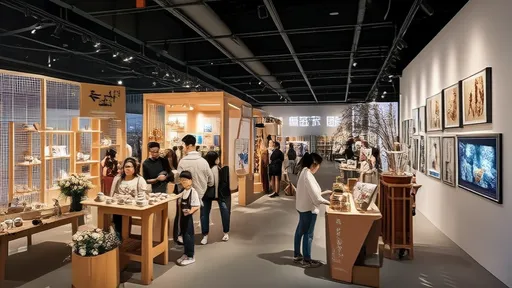
Educational applications demonstrate perhaps the most promising potential. School groups visiting the Shanghai Museum no longer simply walk past display cases. Instead, they gather around projection tables where bronze ritual vessels "come to life" - showing how they were used in ceremonies, demonstrating their acoustic properties when struck, and even displaying X-ray-like views of their interior structures. History becomes not a collection of facts to memorize but an immersive environment to explore, fundamentally changing how young people relate to their cultural inheritance.
Looking forward, the convergence of artificial intelligence with these visualization technologies promises even more personalized experiences. Research teams are developing systems that can analyze a viewer's engagement patterns and adjust content accordingly - providing deeper historical context for those showing interest in specific details or simplifying explanations for casual observers. The cultural artifact thus becomes not a static teacher delivering the same lesson to everyone, but an adaptive interface that responds to individual curiosity.
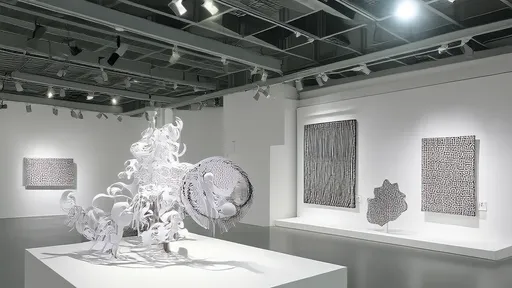
The true measure of success for these projects may ultimately be their ability to inspire new creative works. Young digital artists, having grown up with these enhanced cultural experiences, are now producing works that reference traditional forms while embracing completely contemporary media. A recent exhibition featured 3D-printed sculptures based on Song Dynasty paintings, with integrated projections that altered the pieces' appearance throughout the day. Another installation used motion capture of Beijing Opera movements to generate abstract digital patterns. The cultural tradition thus continues not as preserved specimen but as living inspiration.
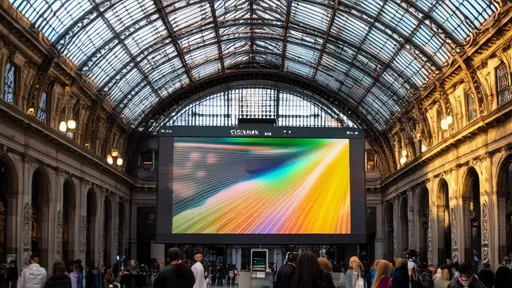
As sunset falls on another day at the Palace Museum, the crowds thin but the digital experiences continue. Projected calligraphy strokes float through courtyards, ceramic patterns migrate across walls, and the whispers of history find new voice through technology. The guardians of tradition have discovered unlikely allies in programmers and projection artists. Together, they're ensuring that cultural heritage doesn't merely survive the digital age, but finds within it new dimensions of meaning and connection that its original creators could scarcely have imagined.
By William Miller/Oct 27, 2025
By /Oct 27, 2025
By /Oct 27, 2025
By /Oct 27, 2025
By Rebecca Stewart/Oct 27, 2025
By /Oct 27, 2025
By /Oct 27, 2025

By /Oct 27, 2025
By /Oct 27, 2025
By /Oct 27, 2025
By Samuel Cooper/Oct 27, 2025
By /Oct 27, 2025
By /Oct 27, 2025
By /Oct 27, 2025
By /Oct 27, 2025
By /Oct 27, 2025
By /Oct 27, 2025
By /Oct 27, 2025
By /Oct 27, 2025
By /Oct 27, 2025
